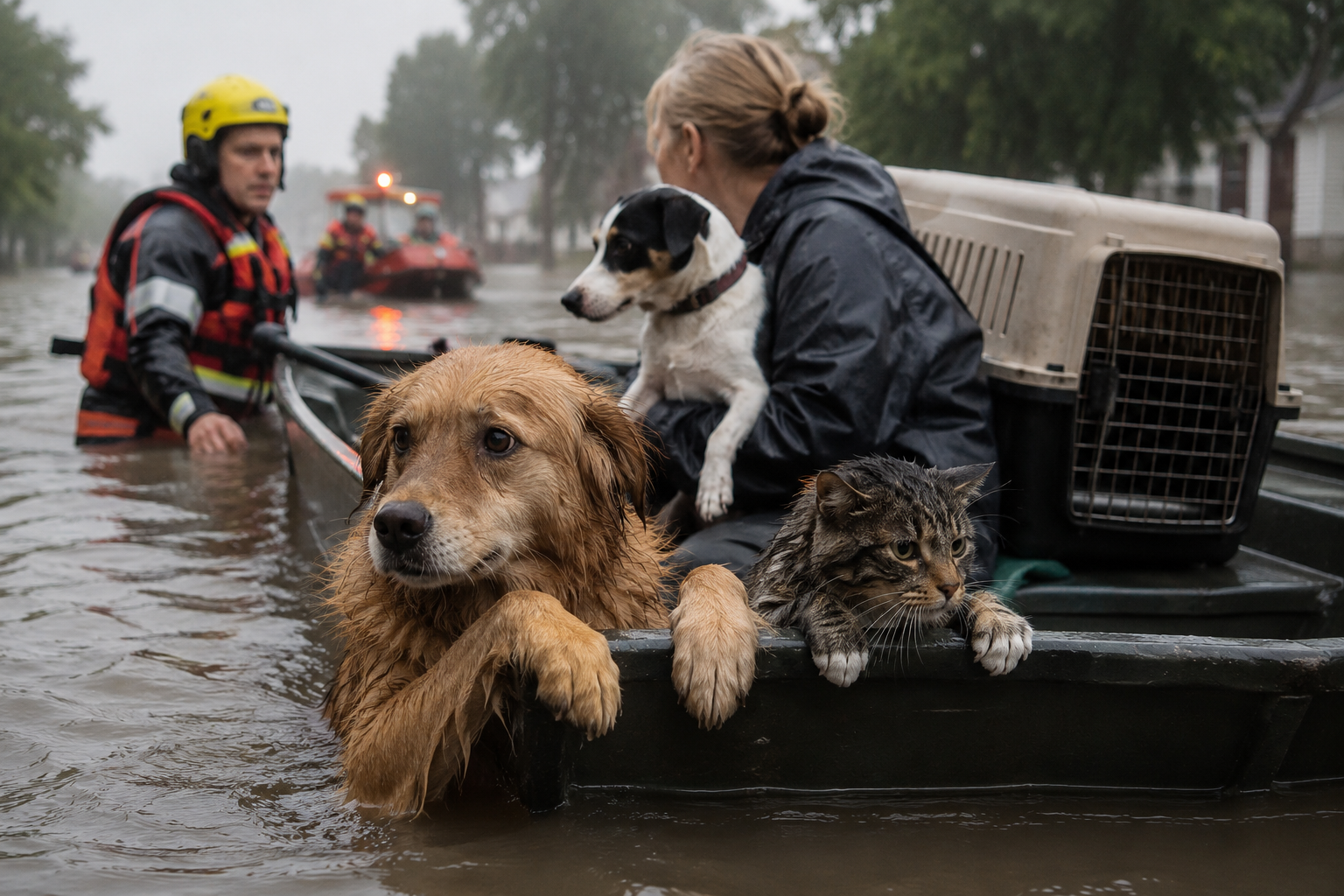
“In today’s chemically saturated world, the same invisible toxins that are shortening human lives are also quietly stealing years of health from the dogs and cats that share our homes—and often, they get sick first.”
National Library of Health-https://pmc.ncbi.nlm.nih.gov/articles/PMC10472068/
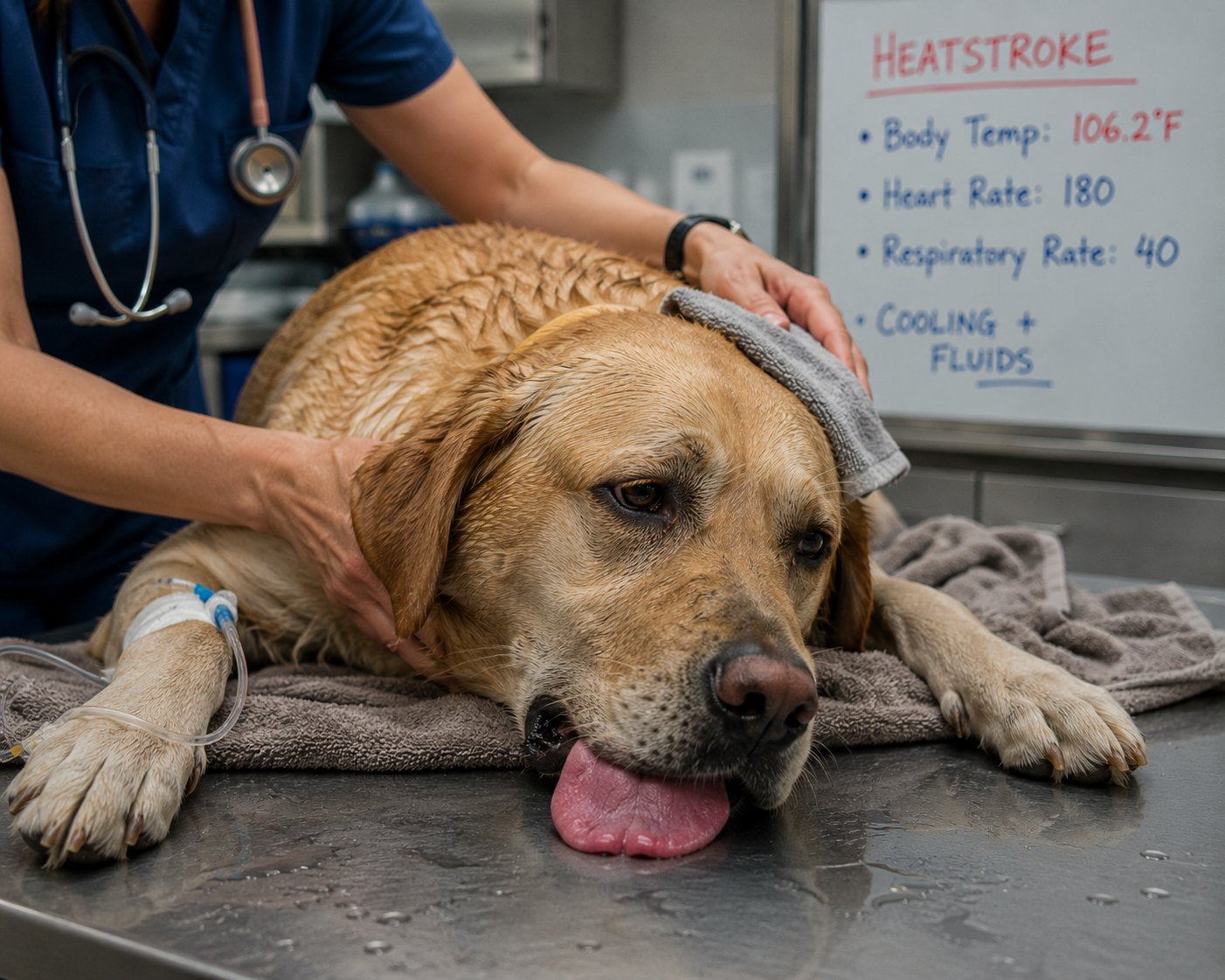
“In today’s era of relentless global heat, the same climate‑driven extremes that are sending more people to emergency rooms with heatstroke and heart failure are also killing dogs and cats that never leave their homes.”
WHO-https://www.who.int/news-room/fact-sheets/detail/climate-change-heat-and-health
Mission
Pet ClimateAlert exists to help pet owners protect the animals they love in a world that is becoming hotter, less predictable, and more environmentally stressful. Our mission is to translate emerging research on climate, air quality, heat, parasites, toxins, water safety, and animal health into clear, trustworthy guidance people can actually use in daily life, so that care becomes more informed, preventive, and resilient rather than reactive.
We believe responsible pet care has entered a new era. The old basics of nutrition, exercise, veterinary attention, and loving companionship still matter deeply, but they now unfold within changing environmental conditions that affect what pets breathe, drink, walk on, and recover from every day; Pet Climate Alert helps owners see those connections and respond with confidence, calm, and better judgment.
Methods and goals
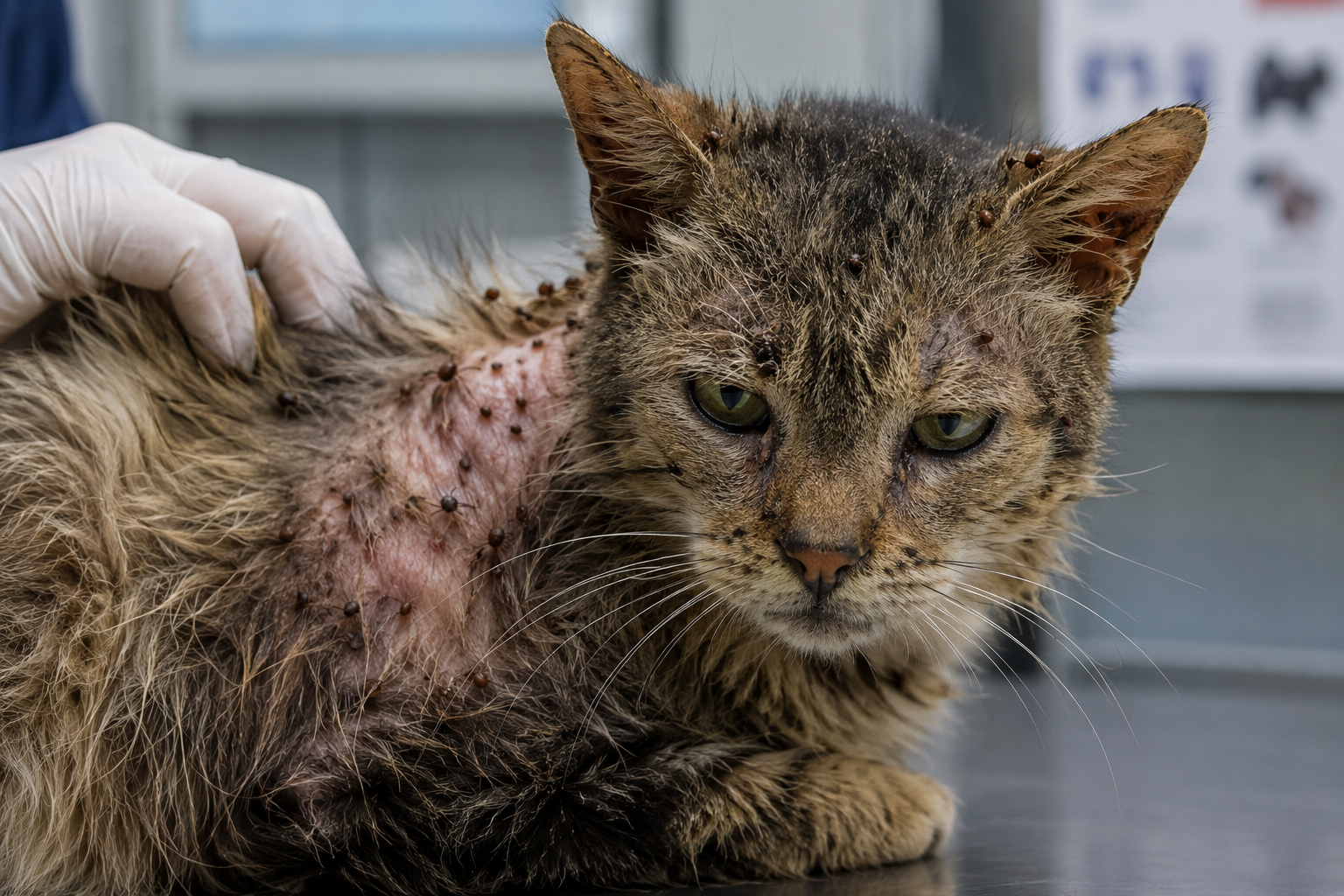
Our method is simple: we connect science to action. PetClimateAlert gathers evidence from veterinary medicine, environmental health, toxicology, epidemiology, and animal behavior, then turns that knowledge into practical tools such as seasonal alerts, risk explainers, preparedness guidance, household safety advice, and decision-making frameworks that help owners make smarter choices before problems become crises.
Our goal is not to frighten people, but to build a new culture of climate-smart pet care. We want to help families reduce avoidable suffering, improve long-term animal health, lower unnecessary veterinary costs, strengthen emergency readiness, and foster a deeper kind of stewardship in which healthier choices for pets also support healthier homes and a more responsible relationship with the environment